
If you’ve ever wondered, “What is Reiki?” you’re not alone.
Reiki is a Japanese energy healing practice that has become popular around the world. People often explore it when they feel stressed, emotionally drained, restless, or disconnected from themselves.
But what happens during Reiki healing? Does Reiki really work? And what can you expect from your first session? Let’s look at it without making it complicated.
Reiki involves gentle touch or hands held just above the body. The word Reiki is often translated as “universal energy” and “life force energy.”
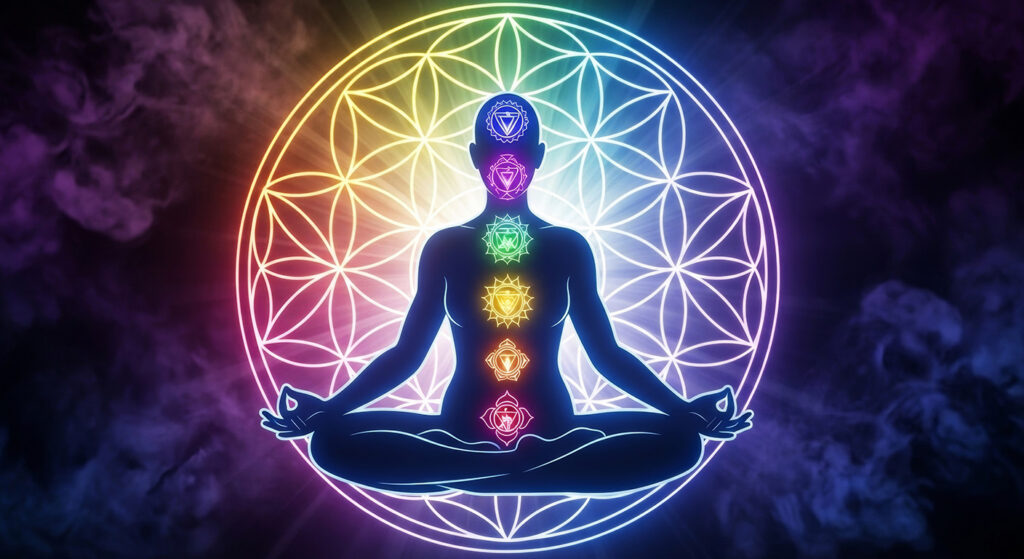
Practitioners believe this energy can become blocked or unbalanced. Reiki techniques are intended to encourage relaxation and a greater sense of balance.
You may also hear Reiki described as energy healing, spiritual healing, or hands-on healing. Mikao Usui is generally recognized as the founder of the Reiki system, which developed in Japan in the early 1900s. Today, Reiki is practiced in many countries and through several traditions.
You don’t need to follow a religion or hold a particular belief to try Reiki. You can simply experience it and decide what it means to you. That openness is one of the things I like about the practice.
How Does Reiki Work?
Reiki is based on the idea that the body has a subtle life energy. Similar concepts appear in many traditions: ki in Japan, qi or chi in China, and prana in India.
Reiki practitioners believe this energy can become disrupted or stagnant. During a session, they use specific hand positions, either resting their hands gently on the body or holding them slightly above it. Reiki does not involve massage, joint manipulation, or much physical movement. The session is generally quiet and focused on relaxation.
What Happens During a Reiki Session?
A first Reiki session usually begins with a short conversation. The practitioner may ask how you’re feeling, why you’re interested in Reiki, and whether you have any preferences or concerns.
You normally remain fully clothed and lie comfortably on a treatment table. The practitioner may begin at the head and move toward the feet, although hand positions vary between practitioners and traditions. Their hands may rest gently on different areas or remain just above your body.
You can ask for hands-off Reiki if you prefer. There should never be pressure to accept physical contact.
The room may include soft lighting or quiet music, although some practitioners prefer silence. Sessions are generally calm and still, giving you time to rest without needing to talk or perform.
What Does Reiki Feel Like?
There is no single way Reiki feels. Some people notice warmth, tingling, heaviness, lightness, or waves of relaxation. You might feel sleepy, peaceful, or aware of your thoughts becoming quieter.
Some people report seeing colors or experiencing emotional memories. Others feel nothing unusual at all. That is completely fine. You do not have to feel energy moving through your body for Reiki to be meaningful.
Try not to wait for something dramatic. Sometimes Reiki feels like nothing more than finally having permission to rest. For someone who is constantly busy, that can be significant.
What Are the Benefits of Reiki?
People commonly explore Reiki for relaxation, stress management, emotional wellbeing, spiritual reflection, and self-care. A session provides time away from screens, responsibilities, conversations, and constant stimulation. Simply lying down in a quiet environment can help some people feel calmer.
Afterward, people may describe feeling relaxed, emotionally lighter, grounded, peaceful, sleepy, refreshed, or energized. Your response may depend on your current state, expectations, and the setting.
Reiki creates a space where you do not have to solve anything or achieve anything. You simply lie down and breathe. That can make it appealing during stressful periods.
Some people also try Reiki when they experience anxiety. The quiet, stillness, and breathing may help them relax temporarily. However, Reiki is not a medical treatment for an anxiety disorder. If anxiety is seriously affecting your life, seek professional mental health support. Reiki may be used alongside appropriate care, but it should not replace therapy, medication, or other recommended treatment.
Stress and an overactive mind can make falling asleep difficult. A relaxing Reiki session may help some people unwind, especially when used as part of an evening routine.
“Emotional healing” does not have to mean removing difficult feelings. Sometimes healing begins by creating space to notice them.
During a quiet Reiki session, you may feel peaceful, emotional, tearful, or aware of feelings you have been pushing aside. You may also feel nothing at all. There is no correct response, and a responsible practitioner should never tell you what you are supposed to feel.
Reiki and Spirituality
Some people combine Reiki with meditation, prayer, breathwork, or other spiritual practices. Others do not consider themselves spiritual. You do not need to follow a religion or decide what you believe about energy before trying Reiki.
You can approach it with curiosity and decide for yourself whether it has meaning in your life.
Who Can Benefit From Reiki?
Reiki appeals to people with many different interests and experiences. You might be dealing with everyday stress, looking for a quiet space to relax, exploring meditation or spirituality, or simply curious about energy healing.
Some people try Reiki during major life transitions or periods of emotional overwhelm. Others schedule regular sessions, while some try it once and decide that is enough.
You do not need to be spiritual, flexible, experienced with meditation, or familiar with chakras. There is no specific personality type that needs Reiki.
Is Reiki Right for You?
There is no universal answer. If you are curious about energy healing, you might try one session with a practitioner you trust. Notice how your body and mind respond.
You may feel deeply relaxed, feel nothing unusual, or become interested in learning Reiki yourself. You do not have to force an interpretation. Your experience belongs to you.
My Personal View of Reiki
I think Reiki is most interesting when we stop trying to prove or disprove everything about it. You do not have to call it magic, but you do not have to dismiss the experience either.
There is still much we do not understand about the relationship between relaxation, attention, emotions, and the body. At the same time, we should be honest about what research has established.
For me, Reiki is an invitation to slow down and step away from constant stimulation. It is time spent noticing what is happening inside you. Reiki does not need to promise miracles, replace medicine, or fit neatly into one belief system. It can simply be an experience worth exploring.
Sometimes the most valuable thing we can do is stop, breathe, and give ourselves a little space.
If you have any questions about learning Reiki, feel free to reach out to me at mail@anninditapalaus.com.
Ready to Learn More About Reiki?
If Reiki has sparked your curiosity, take the next step and experience the practice for yourself. Sarasota School of Massage Therapy offers Usui Reiki Levels 1, 2 & 3, giving you the opportunity to explore Reiki techniques and deepen your understanding of energy healing.